
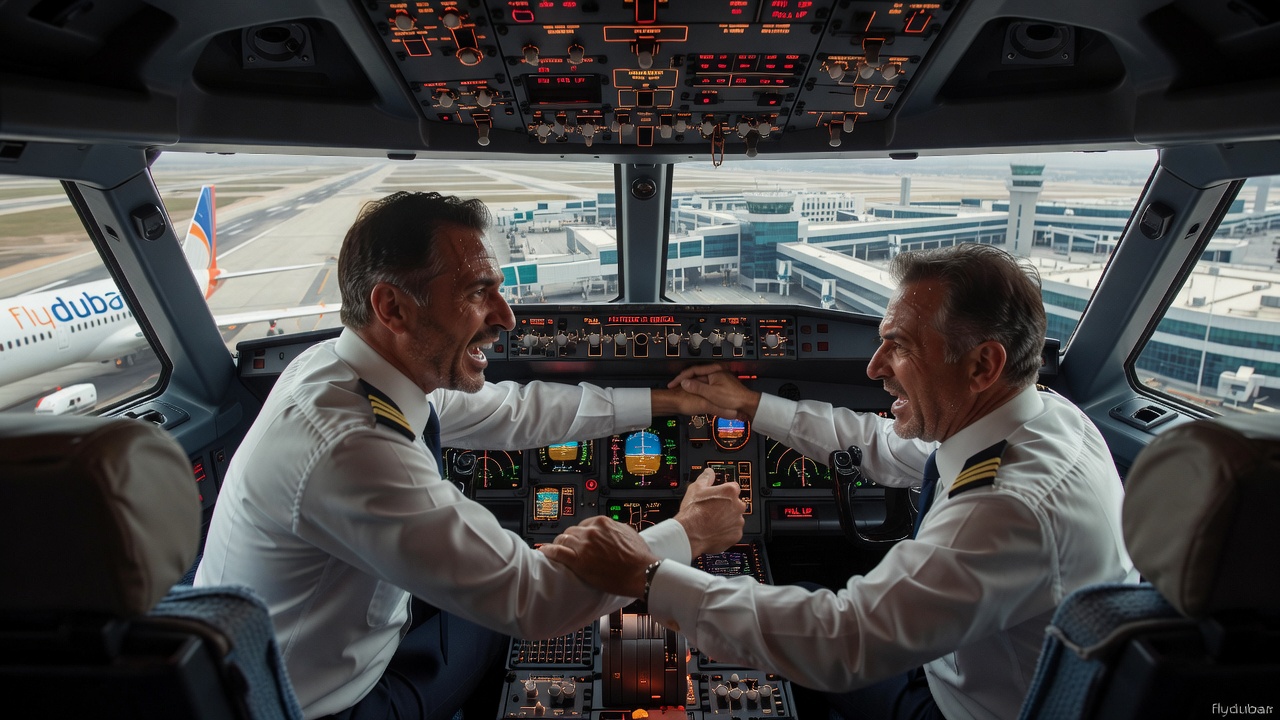
A mid-air struggle aboard a Flydubai flight from Dubai to Tel Aviv may have been the opening act of a far more serious plan: crashing the aircraft into Ben Gurion Airport, according to Israeli journalist Amit Segal, citing a report by N12. The September 30 flight, carrying more than 170 people, was forced to divert to Tabuk in Saudi Arabia after the first officer allegedly attacked the captain, sending the plane plunging thousands of feet before crew and passengers regained control.
What Investigators Are Saying - and Not Saying
According to the N12 report, the Omani co-pilot told investigators he intended to seize the controls and direct the aircraft into Israel's main international airport. The United Arab Emirates has characterized the episode as an attempted terrorist act. Israeli Prime Minister Benjamin Netanyahu has pointed to Islamist radicalisation as a motive. None of these claims have been independently verified, and no formal link between the suspect and any organized militant group has been publicly established. The gap between official statements and confirmed findings is significant: aviation security investigations typically take months, involve multiple jurisdictions, and rely on cockpit voice recordings, flight data, and interviews that are rarely disclosed in real time.
Why Aviation Incidents Near Israel Carry Added Weight
Ben Gurion Airport sits at the center of Israel's commercial aviation network and has long been treated as a high-value target in regional security assessments. Any credible threat involving the airport triggers coordinated responses from Israeli intelligence services, international carriers, and aviation regulators across the Gulf. The fact that the flight originated in Dubai adds a layer of diplomatic sensitivity, given the UAE's formal recognition of Israel under the Abraham Accords and the expanded commercial air traffic that followed. An incident of this nature tests the resilience of that relationship and the information-sharing arrangements built around it.
Cockpit Security and the Limits of In-Flight Protocols
Modern cockpit access rules were overhauled after the 2001 hijackings and again after the 2015 Germanwings disaster, which exposed how a single crew member could compromise an entire flight. Reinforced doors, two-person cockpit rules on many carriers, and psychological screening for pilots were all designed to prevent exactly this kind of scenario: one flight crew member turning against another mid-flight. That the aircraft still lost thousands of feet of altitude before passengers and crew intervened shows that procedural safeguards, while improved, cannot eliminate risk entirely when the threat originates from inside the cockpit itself.
What Comes Next
Flydubai, Israeli authorities, and Saudi officials who received the diverted aircraft will all have a stake in the eventual findings. Until investigators release verified conclusions, the Ben Gurion crash theory should be treated as an unconfirmed but serious line of inquiry rather than an established fact. For an industry built on passenger trust, the handling of this case - transparent or otherwise - will shape confidence in cross-border aviation security cooperation for years to come.