
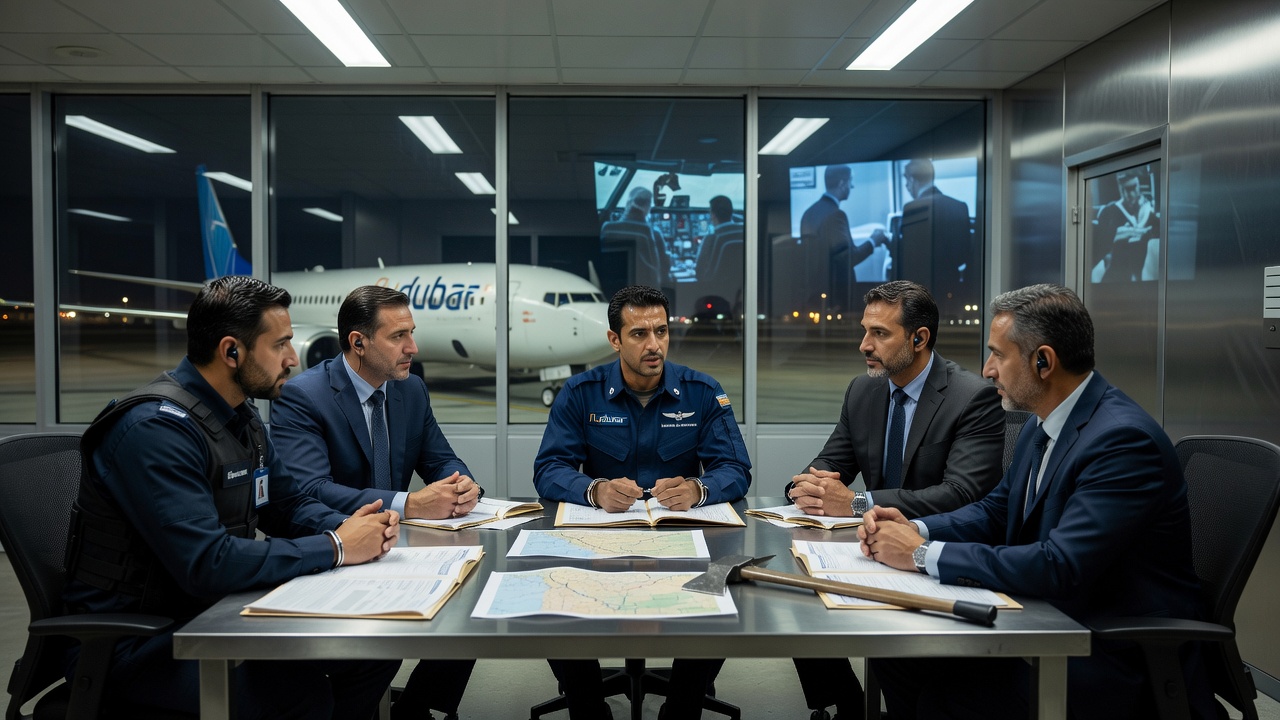
Shin Bet interrogators have traveled to the United Arab Emirates to take part in questioning Hamam al-Hammami, the Omani copilot accused of attempting to crash a flydubai flight carrying more than 170 people, most of them Israeli. The involvement of Israel's domestic security service in a foreign-led criminal investigation is unusual and underscores how seriously Israeli authorities regard the case, which officials say involves planning that predates al-Hammami's hiring by the Dubai state-owned carrier.
What investigators say happened
According to Israeli officials briefed on the probe, al-Hammami told interrogators he had decided to target Israelis before he ever applied for a job at flydubai, reportedly searching specifically for airlines operating routes to Tel Aviv. He is said to have flown a Tel Aviv route earlier this year and considered hijacking that aircraft before abandoning the plan. Last week, officials say, he attacked the captain with the aircraft's crash axe, an assault that ended only after passengers and crew intervened. The captain survived and reopened the cockpit door, an act now credited with averting a far worse outcome.
A joint investigation with political weight
UAE investigators have also questioned other crew members after some passengers described behavior they found unusual during the flight. Both Emirati and Israeli authorities have reportedly concluded that no other crew were involved, a finding Israel says it accepts. Separately, Israeli officials have raised questions about al-Hammami's travel history, noting visits to countries considered hostile to Israel, and say they are examining whether he had contact with any organization during those trips. No conclusion on outside recruitment has been made public.
The case has also entered the political arena in Washington. President Trump said he personally believes Iran was responsible, though he offered no supporting evidence and said any confirmed involvement would bring a severe response. Vice President Vance took a more cautious line, saying he had seen nothing conclusive tying Tehran to the plot and deferring to intelligence officials. Israeli Prime Minister Benjamin Netanyahu has said the copilot underwent a process of Islamist radicalization but cautioned it remains too early to establish any state sponsor.
Why aviation vetting is back under scrutiny
Incidents involving aircrew rather than passengers strike at a different layer of aviation security, one built on background checks, psychological screening, and ongoing monitoring rather than checkpoint controls. Vance's comments about foreign pilots and lessons drawn from the September 11 attacks reflect a broader, recurring debate: how much weight should be given to a pilot's nationality, travel history, or online activity when screening who is allowed into a cockpit. Aviation regulators and airlines have generally resisted blanket nationality-based restrictions, arguing that individualized vetting, recurrent monitoring, and cockpit-access protocols are more effective and less discriminatory than profiling by passport.
The flydubai case will likely renew pressure on carriers and regulators to examine how crew are screened before and during employment, particularly for routes considered politically sensitive. Any changes are expected to focus on vetting procedures and behavioral monitoring rather than public disclosure of specific security measures, which airlines typically keep confidential for operational security reasons.