
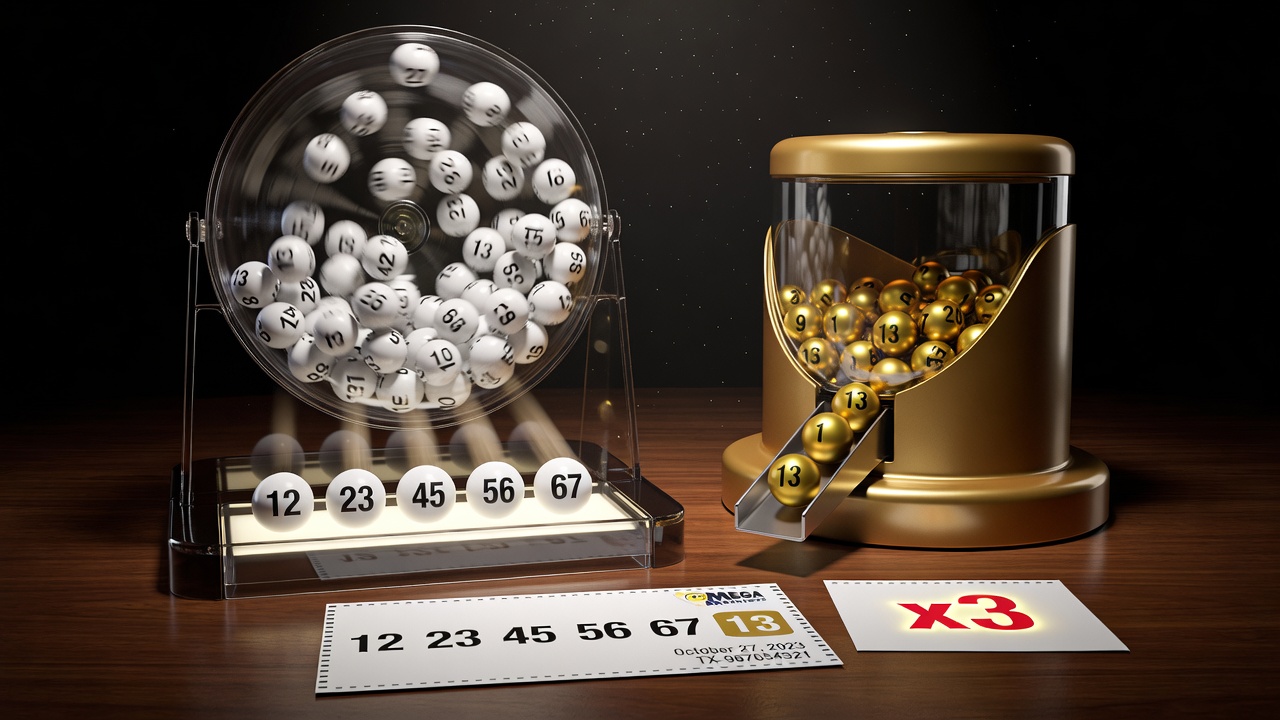
A single gold ball, drawn from a separate machine holding far fewer numbers than the main pool, decides whether a modest matching ticket turns into a life-changing jackpot. That gap in probability - five white balls from a large field versus one gold ball from a small field - is the entire mechanical heart of Mega Millions, and it explains why the game behaves the way it does across every prize tier.
Most players learn the basics from a cashier or a quick glance at a terminal screen, which means they miss the finer points that actually matter: how the gold ball is weighted into the odds, why the jackpot resets after a win, and how secondary prizes are calculated. For readers who want a deeper breakdown, including current promotional angles and comparison tools, the mega ball rules published by independent lottery resources offer a more granular look than most state lottery sites provide. That level of detail matters if you're trying to understand not just how to fill out a slip, but why the odds sit where they sit.
This piece walks through the full mechanics - how the game is structured, how numbers are drawn, what each prize tier pays, and how the format compares to other major lotteries. By the end, you'll understand not just how to play, but why the game is built the way it is.
What Mega Millions Is and How the Format Works
Mega Millions is a multi-state lottery game played across most U.S. jurisdictions, built around two separate number pools. Understanding this dual-pool structure is the foundation for everything else - the odds, the prize tiers, and the strategy (such as it exists) all flow from this basic design.
The Two-Pool Number System
Every play consists of five numbers chosen from one pool of white balls, plus a single number chosen from a smaller, separate pool of gold balls - the Mega Ball. This separation is deliberate. By isolating the bonus number in its own smaller field, the game creates a rare but achievable path to the jackpot without requiring players to match six numbers from one enormous pool, which would make winning nearly impossible and drawings far less frequent in terms of jackpot resets.
Why the Structure Matters for Odds
Because the Mega Ball pool is small, matching it alone is far more likely than matching all five white balls. This is why even players who miss every white number can still walk away with a small prize just for matching the gold ball. The mega millions rules explicitly build in this "consolation tier" as a way of keeping participation attractive even when the jackpot isn't won.
Draw Frequency and Jackpot Growth
Drawings happen twice weekly. When no ticket matches all six numbers, the jackpot rolls over and grows, funded by ticket sales across participating states. This rollover mechanism is what produces the enormous headline jackpots the game is known for - prizes that can climb for weeks or months before someone finally claims the top tier.
How to Play Mega Ball Step by Step
Learning how to play Mega Ball is straightforward once you understand the two-pool system described above. The process takes less than a minute at a retail terminal or through an authorized online platform.
Selecting Your Numbers
Players choose five distinct numbers from the white ball pool and one number from the gold Mega Ball pool. Numbers can be picked manually or generated randomly by the terminal - a method commonly called Quick Pick. There's no mathematical advantage to either approach; the draw is random regardless of how the numbers were selected.
Purchasing and Confirming Your Ticket
Once numbers are chosen, the retailer or platform issues a physical or digital ticket showing the selected numbers, the draw date, and a unique ticket identifier. It's worth checking this ticket immediately for accuracy - errors in printed numbers can't be corrected after the sale.
Optional Add-On Features
Many jurisdictions offer an optional multiplier feature for an additional fee, which can increase non-jackpot prize amounts. This add-on doesn't affect the jackpot itself but can meaningfully boost the payout on lower tiers if the multiplier number drawn is favorable.
- Choose five numbers from the white ball pool
- Choose one number from the gold Mega Ball pool
- Decide whether to add the optional multiplier
- Confirm the ticket details before leaving the counter
Mega Ball Winning Numbers and How They're Drawn
Understanding how mega ball winning numbers are generated helps clarify why the game is considered fair and tamper-resistant. The drawing process is conducted under controlled, monitored conditions, typically involving certified equipment and independent oversight.
The Physical Drawing Process
Two separate ball machines are used - one containing the white balls, the other containing the gold Mega Ball set. Balls are drawn mechanically, not selected by any person, and the process is recorded and often broadcast or livestreamed for transparency.
Where to Verify Results
Official state lottery websites publish results within minutes of each drawing. Players should always cross-check their ticket against the official posted numbers rather than relying on secondhand sources, since transcription errors on unofficial sites do occur.
How Long Results Remain Valid
Unclaimed prizes typically have a claim window ranging from 90 days to a year, depending on the state where the ticket was purchased. This detail catches more people off guard than you'd expect - tickets do go unclaimed simply because someone forgot to check.
Mega Ball Prize Structure Explained
The mega ball prize structure is tiered, rewarding partial matches at fixed amounts while reserving the jackpot for the rare five-plus-one match. This tiered design is what keeps the game commercially viable even in the vast majority of drawings where no one wins the top prize.
Fixed Prize Tiers
Below the jackpot, prize amounts are fixed and don't grow with sales. Matching just the Mega Ball, for instance, earns a small fixed payout, while matching more white balls with or without the gold ball increases the prize incrementally. These fixed tiers are set well ahead of time and published in the official game rules for every participating jurisdiction.
The Jackpot Tier
The jackpot is the only prize that fluctuates, determined by total sales since the last winner and any accumulated rollover. Winners typically choose between an annuity paid over three decades or a reduced lump-sum cash payout - a decision with real financial and tax implications that deserves independent professional advice rather than guesswork.
How Multipliers Affect Payouts
When the optional multiplier add-on is in play, non-jackpot prizes can be multiplied by a randomly drawn factor, sometimes turning a modest win into a substantially larger one. The jackpot itself is never affected by this feature - it applies strictly to the secondary tiers.
- Match the Mega Ball only - smallest fixed prize
- Match several white balls without the Mega Ball - mid-tier fixed prize
- Match all five white balls without the Mega Ball - large fixed prize
- Match all five white balls plus the Mega Ball - the jackpot
Mega Ball Rules vs. Other Lottery Formats
Comparing mega ball rules to other major lottery games clarifies why this particular format has remained popular for decades and why its odds structure differs from state-run pick games or scratch-off tickets.
Dual-Pool Games vs. Single-Pool Games
Some lotteries draw all numbers from a single pool, which simplifies the format but usually results in either much lower jackpots or much longer odds for any prize at all. The dual-pool design used here strikes a middle ground - long jackpot odds, but realistic odds for smaller, more frequent wins.
Jackpot Size and Rollover Behavior
Compared to many international lotteries, this format tends to produce larger and more frequent headline jackpots because of its cross-state ticket pooling. A larger population of players contributes to the same prize pool, which accelerates rollover growth compared to single-state games.
Frequently Asked Questions
Do I need to match numbers in the exact order they're drawn?
No. Order doesn't matter for the five white balls or the Mega Ball. A match is a match regardless of the sequence in which the numbers were drawn or the order in which you selected them.
Can I win a prize by matching only the Mega Ball?
Yes. Matching the gold Mega Ball alone, without matching any white balls, qualifies for the lowest fixed prize tier. This is one of the more common ways players win something, even on tickets that seem otherwise unlucky.
What happens if two people win the jackpot in the same drawing?
The jackpot is split evenly between all tickets that match all six numbers in that drawing. Each winner then chooses independently between the annuity and lump-sum cash options for their share.
Does buying more tickets meaningfully improve my odds?
Buying additional tickets increases your odds proportionally, but the baseline odds of matching all six numbers are so long that doubling or tripling your ticket count still leaves the probability extremely low. It's a linear improvement against astronomically long odds.
Are online ticket purchases subject to the same rules as in-store purchases?
Where legally available, online purchases follow identical drawing rules, prize structures, and odds as tickets bought at a retail counter. The only differences involve payment processing and prize claim procedures, which vary by platform and jurisdiction.
How is the cash option jackpot amount calculated?
The cash option reflects the present-day value of the total prize pool set aside for that jackpot, rather than the full annuitized headline figure spread over 30 years. It's typically significantly lower than the advertised jackpot number, which represents the annuity total.