
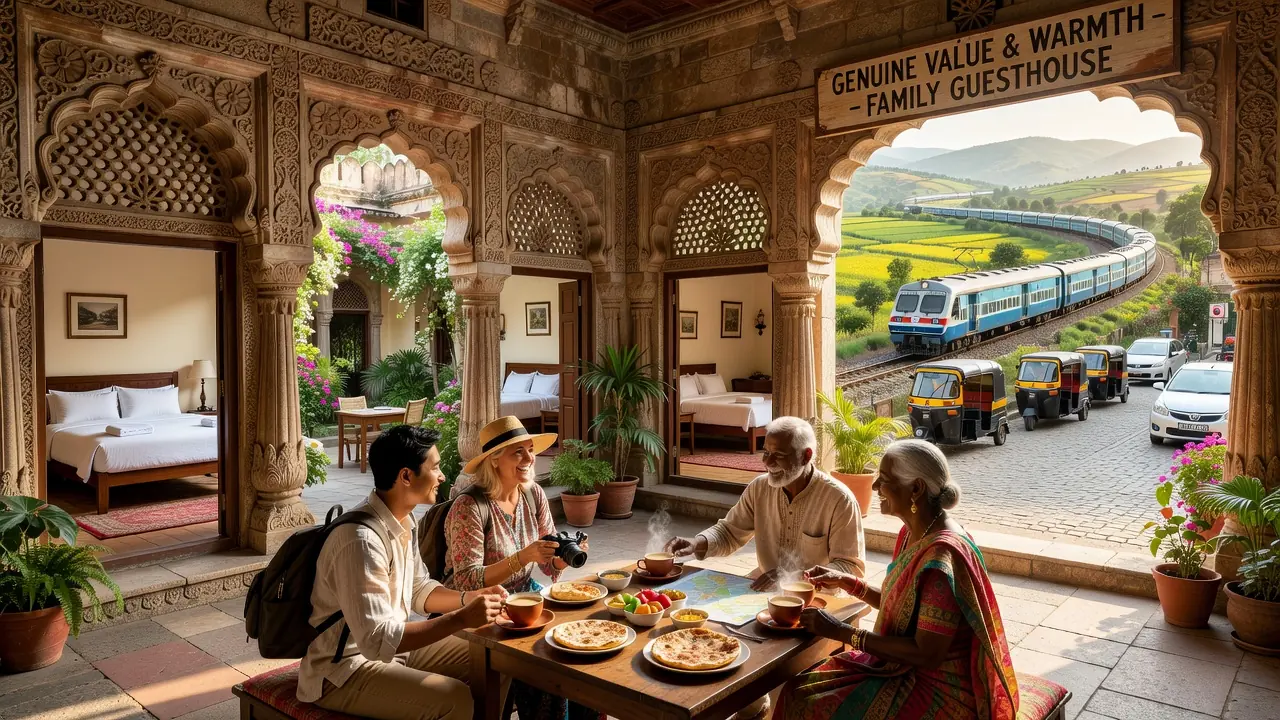
Travellers who assume cheap means compromised are usually proven wrong in India. The country offers a rare combination: low prices and genuinely high standards, from family-run guesthouses to heritage hotels built into centuries-old forts. That gap between cost and quality is what makes India stand apart from most other budget-friendly destinations, where savings often come with a trade-off in comfort, safety, or service.
What "Value" Actually Means on the Road
Value isn't simply about low prices. A dorm bed that costs almost nothing loses its appeal fast if the conditions are poor or unsafe. The more useful measure is what a traveller gets back for what they spend - comfort, hospitality, cleanliness, local insight, and a sense that the money paid matched the experience received. In India, that equation tends to tip strongly in the traveller's favour, particularly in the mid-range accommodation bracket, where homestays and guesthouses often include personal touches that upmarket hotels elsewhere charge heavily for.
Accommodation, Transport, and the Economics Behind Them
India's accommodation market benefits from a large, competitive base of family-run guesthouses and homestays, which keeps prices low while service quality remains high - owners often have a direct, personal stake in guest satisfaction. Transport tells a similar story. Rail travel, when booked in advance through established platforms, offers reliable and inexpensive long-distance options, while app-based ride services such as Uber and Ola have reshaped short-distance travel within cities. These apps do more than offer convenience: they introduce price transparency into a market where informal negotiation with rickshaw drivers was previously the norm, giving travellers a clear reference point and reducing the risk of being overcharged.
- Advance booking for trains matters - popular routes sell out months ahead, and last-minute planning often means missing the best fares or seats.
- Ride-hailing apps function as a practical pricing benchmark even when travellers choose traditional rickshaws instead.
- Entrance fees to monuments and heritage sites add up quickly across a multi-city itinerary, even when each individual fee is modest.
Why the Cost Gap Matters for Travellers Planning a Trip
For anyone budgeting a trip to India, the key takeaway isn't that everything is cheap - it's that spending slightly more frequently buys a disproportionate jump in quality. A modest upgrade from the most basic option to a well-reviewed homestay or guesthouse can transform the experience, often for a few dollars' difference per night. This dynamic rewards travellers who research accommodation and transport choices rather than defaulting to the cheapest listing available, since the cheapest option in India is not always representative of the broader market's quality or safety standards.
The Bigger Picture: Tourism, Infrastructure, and Local Livelihoods
Low costs for travellers are tied to broader economic realities, including local wage structures and currency value, which also means tourist spending can have a meaningful impact on small businesses and family-run enterprises. This is worth keeping in mind when choosing where to spend: homestays, local guides, and independent eateries often channel money directly into communities, whereas large international chains may not. Responsible travel in a lower-cost destination isn't just about saving money - it's about recognising that value works both ways, for the traveller and for the people providing the service.